
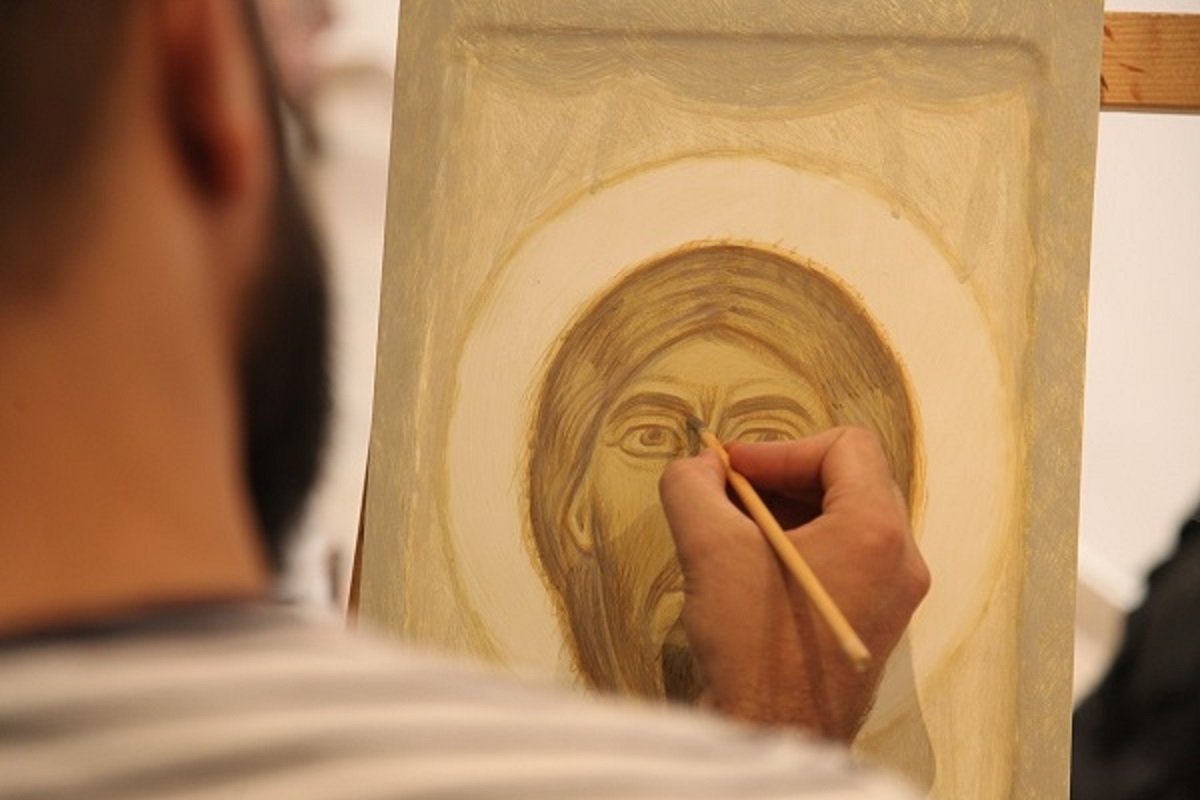
Interview by Biljana Đogić / Photo: Marko Rupena, Nemanja Boškov
Dr Andrei Mușat is a distinguished Romanian artist and professor at the University of Bucharest, specializing in church painting and contemporary iconography. He belongs to a circle of modern Romanian masters who create within the Byzantine canon while reinterpreting it from a contemporary perspective.
He is openly critical of the use of artificial intelligence in sacred art, believing that without spiritual grounding any technical intervention becomes a profanation.
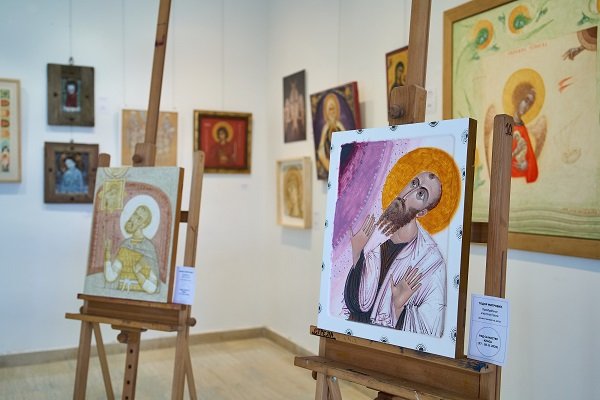
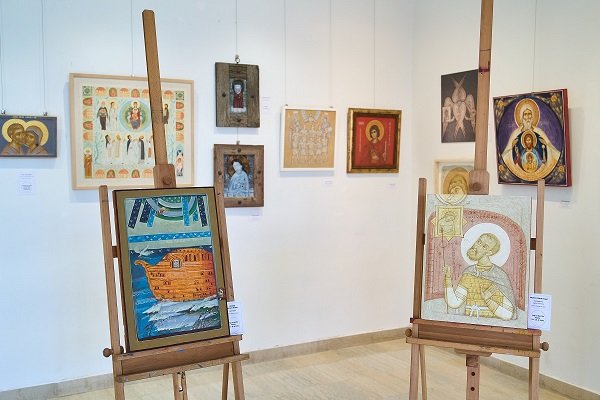
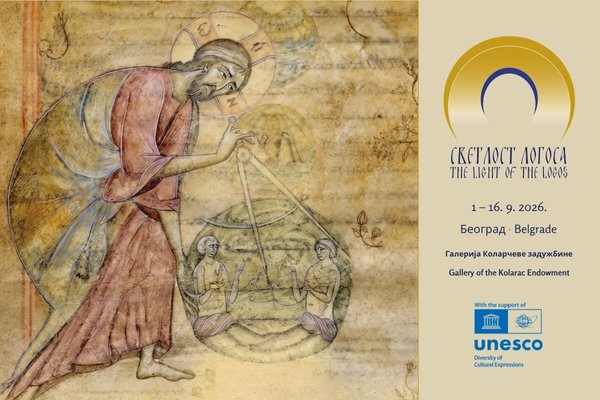
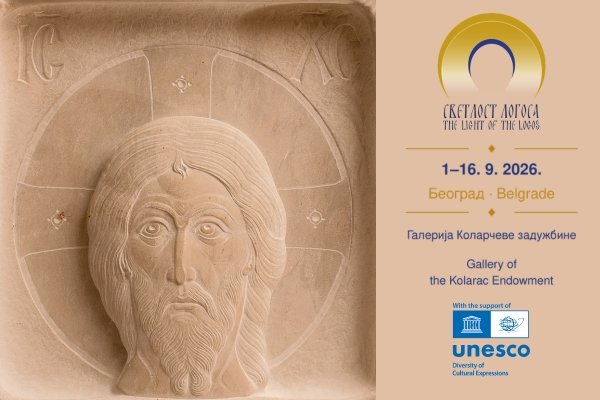
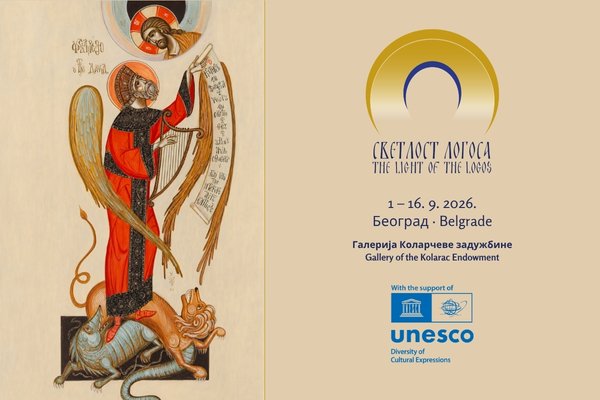
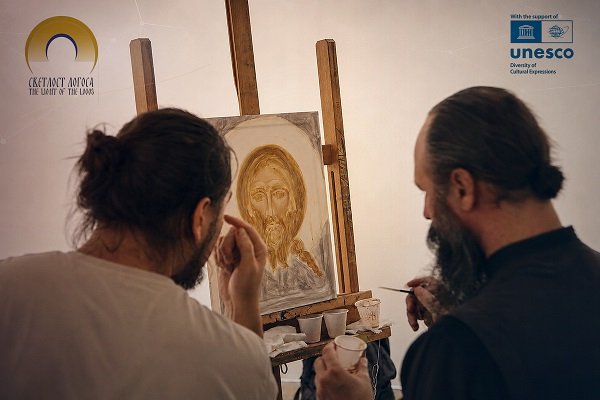
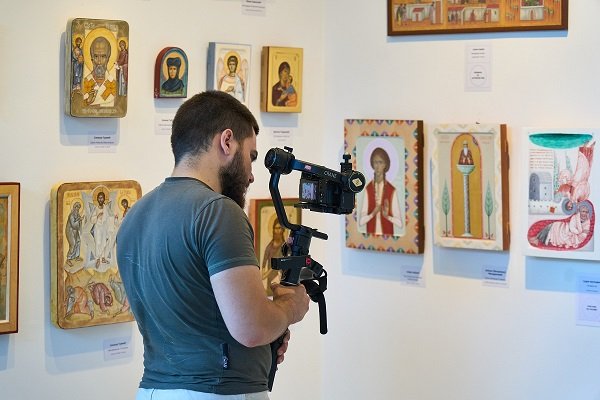
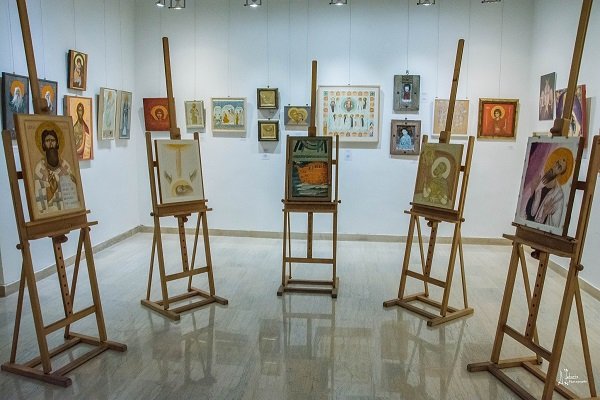
His career encompasses church art, restoration, and artistic photography, and over the past two years he has been a guest professor at the painting masterclass held within the exhibition “The Light of the Logos” in Belgrade.
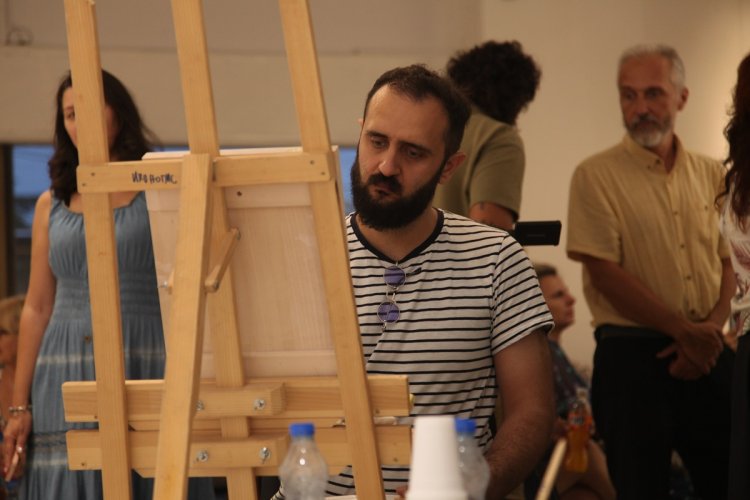
Your artistic path includes both secular and sacred art. How did your education unfold, and in what ways did these experiences intersect?
Before fully dedicating myself to sacred art, I worked as a visual artist. In fact, I studied two different fields. I first completed undergraduate studies in fine arts, and then pursued undergraduate studies in sacred art at the Faculty of Theology. This was followed by master’s and doctoral studies. I earned my PhD in Berlin at an institute devoted to art history and visual studies.
This dual formation, the experience of contemporary visual practice combined with a deep theological education, proved extremely fruitful. It enabled me to bring a broader visual language into church art without abandoning its canonical and spiritual framework.
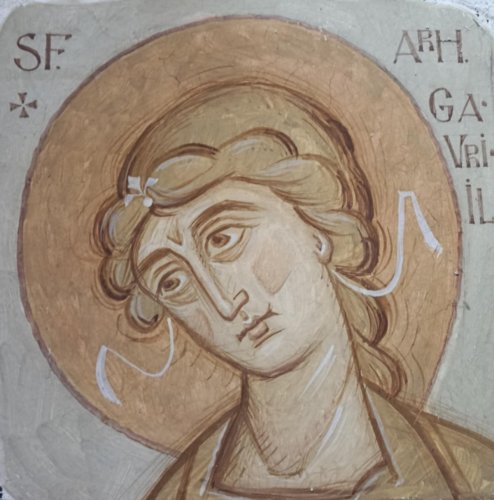
What did you paint at the masterclass The Light of the Logos?
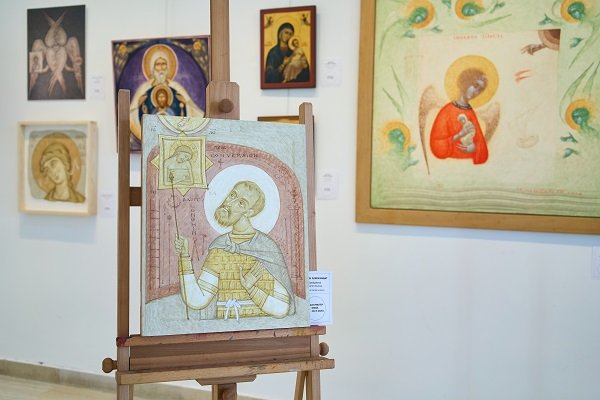
I worked on the theme of the Conversion of Saint Longinus. He was the Roman soldier who, according to tradition, pierced Christ’s side with a spear at the moment of the Crucifixion. At that very moment he proclaimed, “Truly, this was the Son of God”. The moment when blood and water flowed from Christ’s side represents for me a powerful theological and visual challenge.
In discussing the theme The Light of the Logos with colleagues, I asked myself how to depict the light that is born in the instant of conversion. The figure of Saint Longinus seemed particularly inspiring for addressing this delicate theme of inner transformation.
In the composition I subtly referenced the Western tradition known as Arma Christi, the depiction of the instruments of Christ’s Passion, the spear, the sponge with vinegar, the rope and other objects associated with the suffering. As a witness to the dramatic events of Golgotha, Longinus carries within himself the full weight of that experience.
The composition is intentionally somewhat cryptic, at first the viewer does not fully grasp what is happening. However, with knowledge of the Gospel text and the basics of theology, it becomes clear why this particular solution was necessary.
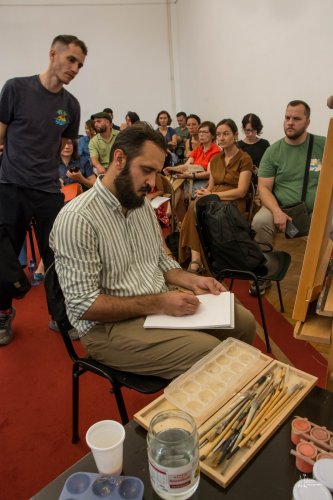
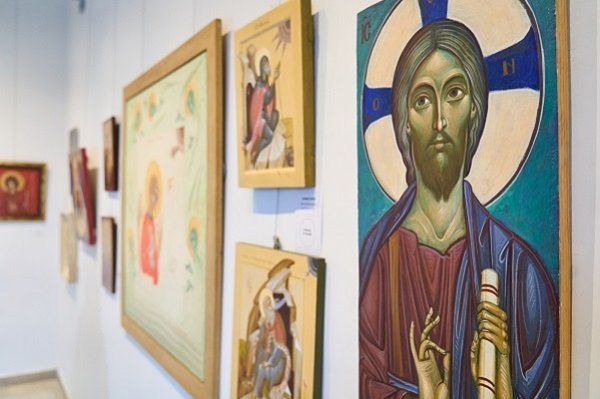
This is not your first visit to Belgrade. What are your impressions of the exhibition and the masterclass?
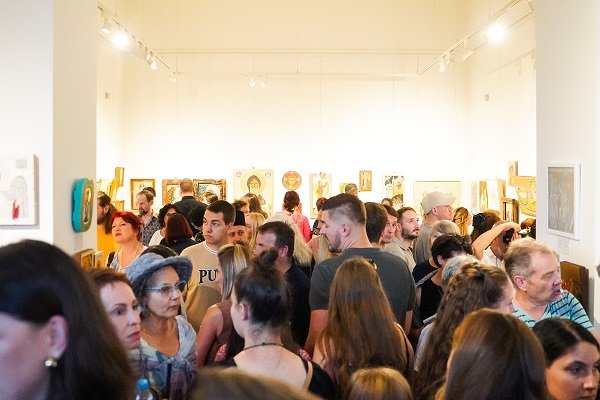
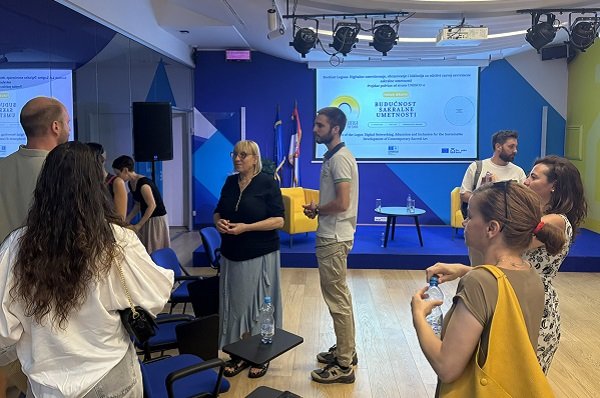
This is my second time in Belgrade, and each return brings me great joy. I feel at home here. I have made new acquaintances, renewed old friendships and, most importantly, experienced genuine warmth.
Although every cultural event has its protocol, this one developed organically. Serbian students and artists, whether at the beginning of their path or already mature creators, share their enthusiasm in a deeply moving way. I have traveled extensively, but rarely have I felt such closeness and hospitality as I do in Serbia.
Visitors were delighted to meet in person Romanian artists they had previously studied at the faculty. Is Serbian art studied in a similar way in Romania?
The so-called “golden” 14th century of Serbian art is not an optional topic for Romanian students, it is a mandatory reference. The heritage of the Palaiologan era, especially the monuments of southern Serbia, forms a foundation for understanding the Byzantine tradition.
After the 1990s, Romanian church art went through three phases, first theoretical study, then intensive practice, and finally a period of experimentation and independent exploration. In that initial phase, the natural destinations were Greece and Serbia.
It is therefore truly moving today to witness this historical arc, Romanian artists once learned from Serbian and Greek frescoes, and now we are here engaging in a lively dialogue with Serbian colleagues who ask us about fresco techniques. This exchange is not only professional but also spiritual, a conversation filled with enthusiasm and mutual respect.
This report is part of the project Serbian Culture in the Focus of UNESCO, through which the Kaleidoskop Cultural Center marks the 850th anniversary of the birth of Saint Sava and, at UNESCO’s invitation, joins the global celebration of the 20th anniversary of the Convention on Cultural Diversity.
The project is co-funded by the Ministry of Information and Telecommunications. The views expressed in this supported media project do not necessarily reflect those of the institution that provided the funding.
READ ALSO:
PALACE OF SERBIA: PRIMER OF CONTEMPORARY ART
ICON: FROM CRAFT TO CONTEMPORARY ART
RETROSPECTIVE: THE LIGHT OF THE LOGOS 2025
All content on the Kaleidoskop media magazine portal is free of charge, and the website is financed exclusively through donations from readers and friends.
Support the work of our magazine HERE










Komentari